
Imagine this: you’re cozied up at home, and suddenly, a drip, drip, drip interrupts your Netflix binge. The roof, that silent guardian above you, has decided it needs a little TLC. Roof maintenance and repair isn’t just about keeping the rain out: it’s about preserving your home’s integrity. So, grab your toolbelt, let’s make sure your roof gets the attention it deserves.
Importance Of Roof Maintenance
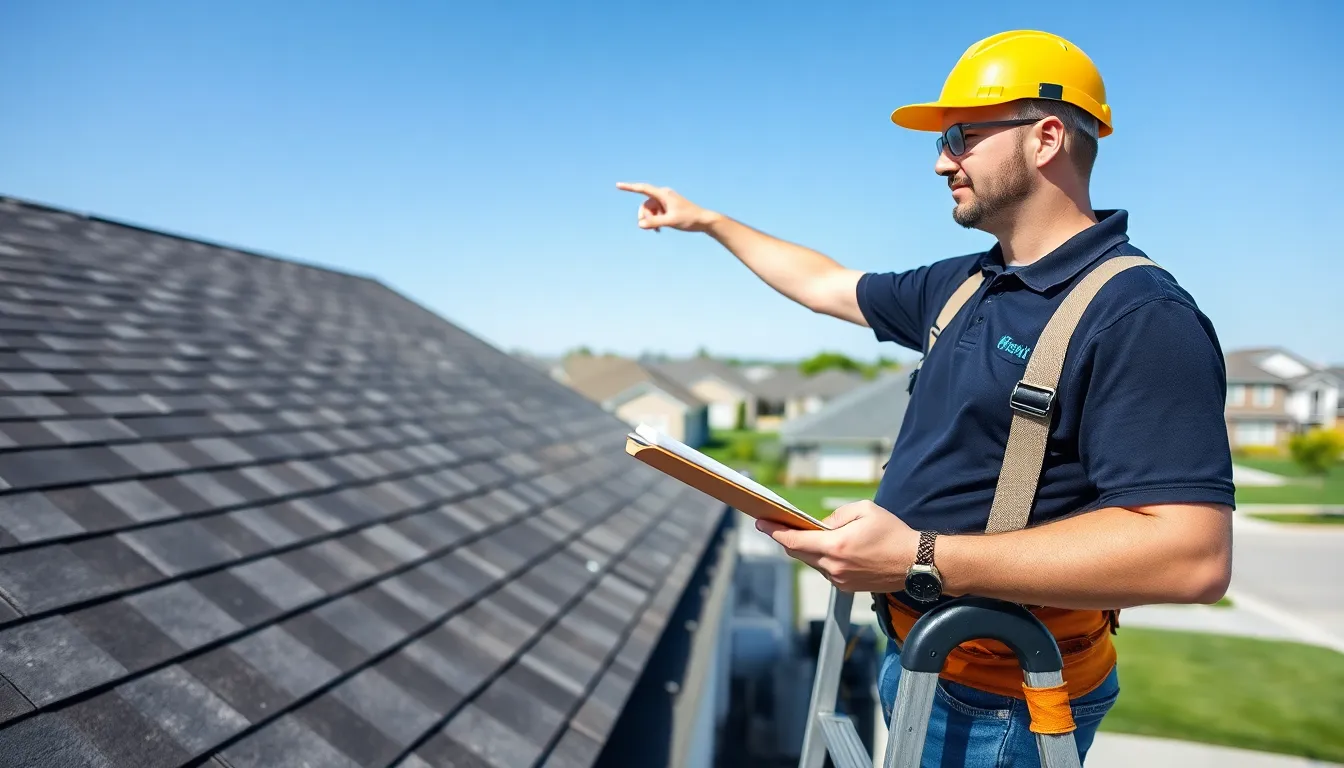
Roof maintenance is often underestimated, yet it plays a crucial role in protecting one of a home’s biggest investments. A well-maintained roof not only enhances curb appeal but also improves energy efficiency. Think about it: a roof that leaks or has damaged shingles can lead to higher energy bills as your HVAC works overtime to keep your home comfortable.
Also, regular roof maintenance can prevent significant issues down the line, saving homeowners thousands in repair costs. To put it simply, the benefits of roof maintenance far outweigh the costs. It’s not just a chore: it’s an investment in your home’s future.
Common Roof Issues To Address
Roof damage can manifest in various ways, and being aware of these issues can save homeowners a lot of hassle. Here are some common problems:
Leaks
Leaks are perhaps the most dreaded roof issue. They can be caused by worn-out flashing, cracked shingles, or even damaged seals around vents. Finding and fixing leaks early can save both your roof and your wallet.
Missing Shingles
A few missing shingles might not seem like a big deal, but they can expose the roof to water damage. Regular inspections can help catch this before it turns into a major issue.
Moss and Algae Growth
While they might seem harmless, moss and algae can trap moisture against the roof, leading to rot. It’s essential to keep your roof clear of these nuisances.
Seasonal Roof Maintenance Checklist
Every season brings new challenges for your roof. Here’s a handy checklist to keep in mind:
Spring
- Inspect shingles for damage after winter weather.
- Clear debris from gutters to prevent overflow.
Summer
- Check for moss and algae growth before the humidity rises.
- Trim overhanging branches to prevent them from scratching the roof.
Fall
- Clean gutters and downspouts to prepare for heavy rain.
- Check flashing for leaks around chimneys and vents.
Winter
- Inspect for ice dams that can cause leaks.
- Ensure vents are clear to prevent heat from escaping.
Repair Techniques For Common Roof Problems
When it comes to roof repairs, knowing the right techniques can make all the difference. Here are some effective methods:
Fixing Leaks
Using roofing cement or roofing tape can seal small leaks. For larger issues, replacing damaged shingles is often necessary. Be sure to match the shingles closely in color and style.
Replacing Missing Shingles
This process involves carefully lifting nearby shingles to avoid damage and replacing the missing ones. A good practice is to have a few extra shingles on hand just in case.
Addressing Moss Growth
A soft brush or moss-specific cleaning solution can help eliminate unwanted growth. Just remember to work safely.
These simple repairs can greatly extend the life of a roof.
When To Call A Professional
Sometimes, DIY fixes are not enough. Here’s when it’s best to call in the pros:
- Severe Damage: If the roof is severely damaged due to storms, it’s crucial to seek professional help.
- Persistent Leaks: If leaks persist even though attempts to fix them, a roof professional can conduct a thorough inspection.
- Safety Concerns: Roof work can be dangerous. If climbing onto the roof feels risky, it’s best to hire someone with expertise.
Tips For Long-Lasting Roof Health
To keep a roof in top condition, here are some valuable tips:
- Regular Inspections: Conduct regular inspections to catch small problems before they escalate.
- Keep Gutters Clean: Always ensure gutters are free of debris to allow for proper drainage.
- Limit Foot Traffic: The more a roof is walked on, the more likely it is to get damaged, limit foot traffic whenever possible.
- Invest in Quality Materials: If replacing your roof, choose durable materials that fit the climate in your area.

