
Navigating the world of Native American benefits can feel like hunting for a needle in a haystack. So, how much Native American blood do you really need to tap into those elusive resources? While it might seem straightforward, the rules can get as twisty as a pretzel at a county fair. From educational opportunities to healthcare perks, getting answers is crucial. So grab your favorite snack, sit back, and let’s unpack this together.
Understanding Native American Benefits
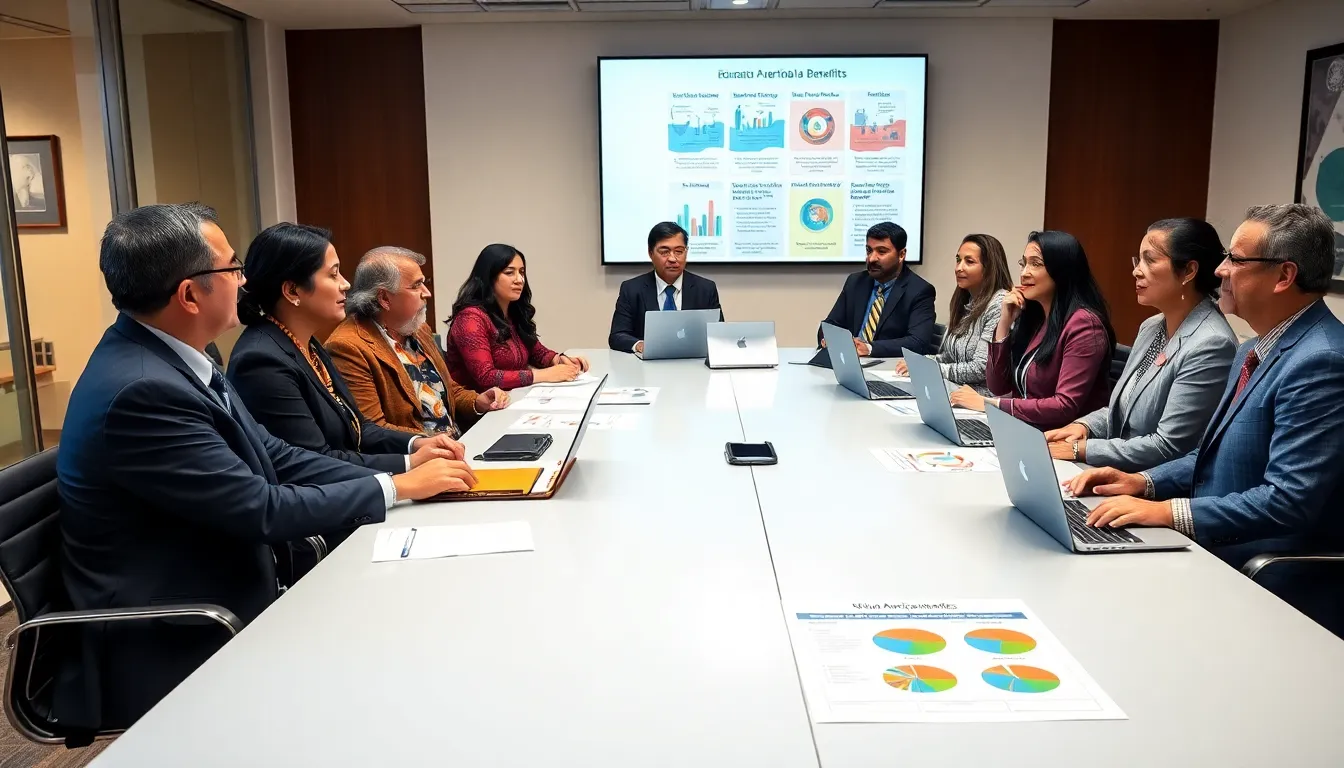
Exploring Native American benefits opens up a world of resources aimed at enhancing the lives of tribal members. These benefits span from educational assistance to healthcare and home loans, all with the goal of improving socioeconomic conditions among Native populations. But, the specifics can get complicated. Not all tribes offer the same resources, and eligibility varies widely, depending on numerous factors. Notably, benefits are primarily aimed at individuals who can prove their Native heritage and their connection to a federally recognized tribe.
Types of Benefits Available
- Educational Benefits: Many tribes provide scholarships, grants, and funding for higher education. These help students cover tuition and other educational expenses.
- Health Care Services: Access to the Indian Health Service (IHS) offers various health benefits to eligible Native Americans, providing essential medical care at reduced costs.
- Housing Assistance: Some tribes offer housing assistance programs through low-interest loans or grants to help members purchase homes.
- Financial Aid: Various tribal governments allocate funds specifically for members facing financial challenges, offering cash assistance for living expenses. These benefits can significantly improve the quality of life for many tribal members, highlighting the important role of Native American advocacy.
Eligibility Criteria for Benefits
Calculating Native American Ancestry
Eligibility for benefits often hinges on proving one’s Native American ancestry. This typically involves a percentage or degree of Native blood, commonly referred to as blood quantum. Each tribe establishes its own requirements for what it considers significant enough to qualify for benefits. Users must research their specific tribe’s criteria to accurately determine their eligibility.
The Role of Tribal Enrollment
Tribal enrollment plays a pivotal role in accessing benefits. To qualify for assistance, individuals usually need to be recognized by their tribe as a member. Registration validates one’s heritage and so opens the door to various resources. The enrollment process varies from tribe to tribe, often involving paperwork and proof of lineage.
Proof of Native American Heritage
Gathering the necessary documentation to prove one’s Native heritage is crucial. This can involve securing birth certificates, family trees, and other historical documentation linking them to their tribal lineage. Accurate and comprehensive proof is essential for both enrollment and benefit access.
Challenges in Verification
Proving Native American heritage can sometimes resemble climbing a mountain, arduous but achievable. Many individuals face hurdles due to a lack of documentation, lost records, or complexities in lineage tracing. Discrepancies in government policies and tribal rules can further complicate the verification of ancestry. Often, individuals require expert assistance, especially when confronting genealogical mysteries or issues related to tribal recognition. With persistence and patience, navigating these challenges can lead to successful enrollment and access to benefits.
Applying for Native American Benefits
Once eligible, applying for benefits involves a series of steps, which can vary based on the type of benefit being pursued. Individuals typically start by contacting the specific tribal office responsible for administering benefits. Application forms may need to be completed, along with submission of proof of heritage and supporting documentation. While each application process may differ, persistence and clarity in presenting one’s case significantly improve chances of approval. Also, it’s beneficial to stay informed about application deadlines and additional requirements, ensuring no opportunities are missed.

