
When it comes to cars, ignoring maintenance is like playing a game of Russian roulette. One day, you’re cruising smoothly, and the next, your car breaks down faster than you can say “unexpected repair bill.” Regular maintenance might not seem exciting, but it’s crucial for keeping your vehicle on the road and your wallet happy. Let’s jump into the importance of regular car maintenance and explore how to keep your trusty steed running without any unfortunate surprises.
Importance Of Regular Car Maintenance
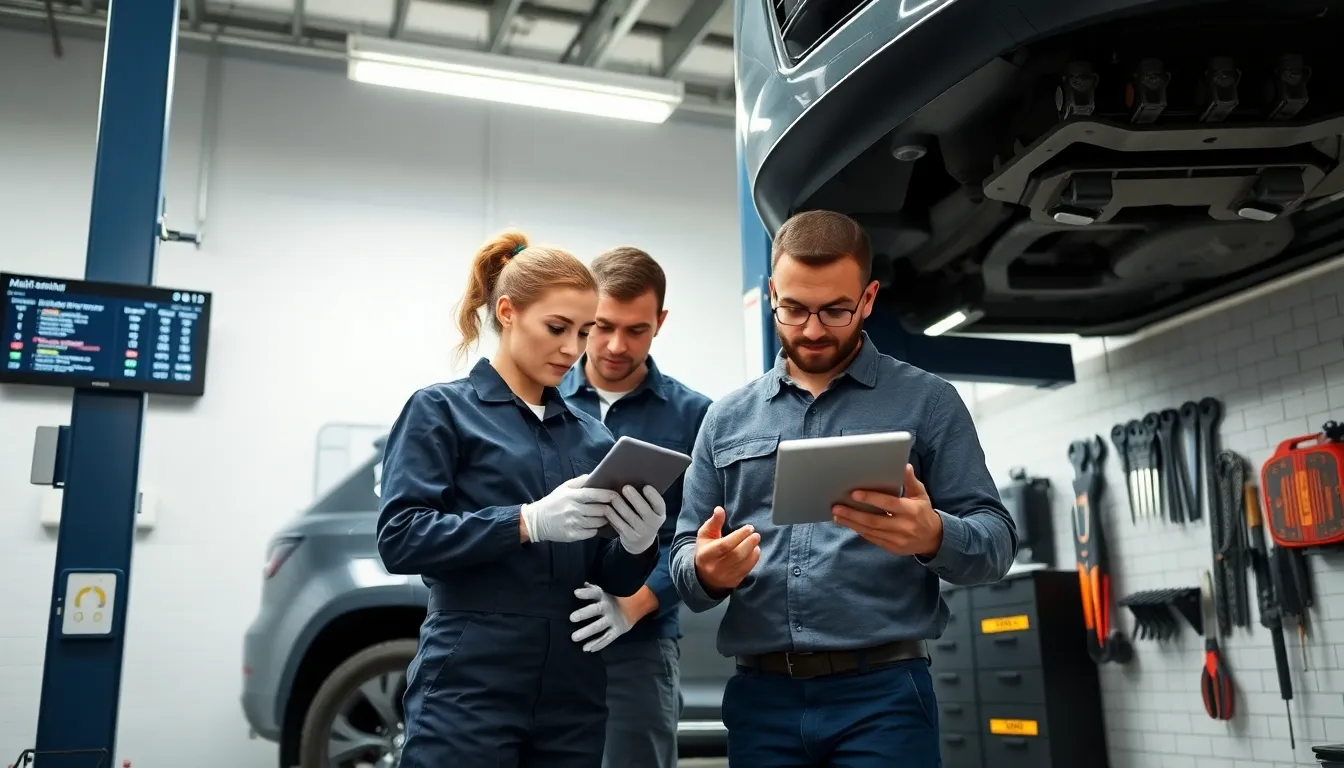
Car maintenance is essential for several reasons. First and foremost, regular check-ups can catch issues before they escalate into costly repairs. Imagine discovering a minor leak before it turns into a full-blown engine failure. Maintenance also ensures that the vehicle stays safe, with brakes, lights, and tires functioning correctly. Plus, a well-maintained car often boasts better fuel efficiency, which translates to savings at the pump. In an era where sustainability is paramount, maintaining your vehicle can also contribute to a lower overall carbon footprint. So, keeping up with a maintenance schedule isn’t just wise, it’s responsible.
Also, cars lose value over time, and one of the best ways to retain that value is through consistent maintenance. A solid maintenance history can be a selling point if you ever decide to trade in or sell. So, whether it’s for your peace of mind or your wallet’s sake, regular maintenance is a non-negotiable part of car ownership.
Common Types Of Car Maintenance Services
There are several common types of car maintenance services that every owner should be aware of.
Oil Changes
Oil changes are among the most critical aspects of vehicle maintenance. Regular oil changes help the engine run smoothly by ensuring it’s lubricated and free from dirt and sludge. The oil needs changing every 5,000 to 7,500 miles, depending on the vehicle and driving conditions.
Tire Rotation
Next up is tire rotation. Tires wear unevenly, so moving them around can prolong their lifespan. Most mechanics recommend rotating tires every 6,000 to 8,000 miles.
Brake Inspections
Brake inspections cannot be overlooked either. Given their importance for safety, having the brakes checked every six months is a great practice. During inspections, technicians assess the brake pads, rotors, and fluid levels.
Fluid Checks
Fluid checks are another vital part of maintenance. This includes coolant, transmission fluid, brake fluid, and power steering fluid. Keeping these topped off and free from contaminants contributes to a smoothly functioning vehicle.
Battery Checks
Finally, battery checks are essential too. A dead battery can leave one stranded, so testing it regularly, especially before winter, can save a lot of distress.
Understanding Car Repair Services
Car repair services are what you turn to when maintenance alone isn’t enough. Understanding when to seek repair can save both time and money.
Car repairs often fall into two categories: preventive and reactive. Preventive repairs involve fixing components that might wear down over time, such as brake pads or timing belts. Reactive repairs, on the other hand, address issues that arise unexpectedly, such as a check engine light coming on or the car making strange noises.
Knowing how to communicate the problem can significantly improve service quality. A mechanic appreciates when a customer can describe the symptoms clearly, “My car makes a high-pitched squeal when I brake” is far more helpful than just saying it’s making noise. Familiarizing oneself with common repair issues like transmission problems, engine overheating, or electrical issues can greatly expedite the repair process.
Choosing The Right Car Repair And Maintenance Shop
Choosing the right repair and maintenance shop can make a world of difference in your vehicle’s longevity. Start by seeking recommendations from friends or family. Reviews online can also provide insight into which shops are trustworthy.
It’s essential to check whether the shop is certified. Being certified by the National Institute for Automotive Service Excellence (ASE) assures you that the mechanics are trained and qualified. Also, look for a shop that offers a warranty on their services: this can provide extra peace of mind.
Finally, don’t hesitate to ask questions. A reputable shop should provide clear answers about what repairs and services are recommended, how long they will take, and what they’ll cost. A little research goes a long way in ensuring you get quality service.
DIY Car Maintenance Tips
While professional maintenance is crucial, some car maintenance tasks can be tackled at home, saving both time and money. Here are some practical DIY tips.
Check Tire Pressure
Keeping an eye on tire pressure is simple yet essential. Under-inflated tires can lead to poor fuel economy and increased wear.
Replace Wiper Blades
Worn wiper blades can be a nuisance, especially during a rainstorm. Replacing them is an easy task that can significantly improve visibility.
Change Air Filters
Regularly changing the air filter can boost fuel efficiency and engine performance. A clogged air filter can restrict airflow and reduce power.
Clean the Battery Terminals
Over time, battery terminals can corrode. Cleaning them can extend the battery’s life and improve car performance.
Regular Wash and Wax
Finally, don’t underestimate the power of a good wash and wax. Keeping the exterior clean helps prevent rust and damage, which can extend the life of the vehicle.

